HLS India logo for business advisory
UAE market entry, Doing business in Dubai

JV Success in the UAE Starts Before the First Signature

Introduction:

In the UAE, doing business in Dubai through joint ventures doesn’t fail because of flawed contracts—they fail due to poor pre-contract planning.

Many foreign investors assume a signed agreement guarantees a smooth start. But they quickly face licensing delays, bank rejections, and shareholder disputes—all avoidable with proper groundwork. Issues like unclear capital contributions, undefined decision rights, and missing compliance documentation are common red flags for regulators and financial institutions.

Before you draft anything, define how the JV will operate. Who holds decision-making authority? How is revenue shared and taxed? Does the structure meet local banking and licensing standards? How can the dispute and business deadlock be resolved?

HLS-Global UAE helps clients get these answers right before the term sheet. We focus on real-world alignment between partners, business goals, and UAE regulations.

Partner Alignment Isn’t a Meeting—It’s a Process

In the UAE, picking a local partner isn’t just about fulfilling a legal requirement poorly matched partner can delay licensing, obstruct the growth opportunity, or derail governance.

At HLS-Global UAE, we guide clients through a full alignment process, not a handshake meeting.

We evaluate:

  • Risk appetite: Is your partner aligned with your investment pace and growth model?
  • Governance fit: Will decision-making be efficient or a source of conflict?
  • Regulatory history: Has your partner complied with AML laws and licensing requirements?

In Dubai, a successful JV depends on two things: the right partner and the right structure. We help you secure both.

Operational Design Before Legal Drafting

A JV structure that looks perfect on paper can still fail if it doesn’t reflect how the business runs. That’s why HLS-Global UAE starts with operations, not contracts.

Before any legal drafting, we ask core functional questions:

  • How day to day affairs of JV shall be managed?
  • What are the roles and responsibilities of the JV partners?
  • How shall Capital and other funding requirements shall be met?
  • How the disputes or business deadlock shall be resolved?

These decisions directly affect not only the licensing approvals process but also ensure transparent and successful operations of the JJV.

JV Setup Without Licensing Blind Spots

Choosing the wrong license can quietly ruin a joint venture in the UAE.

At HLS-Global UAE, we’ve seen well-planned deals falter because setup came before structure:

  • Mainland vs. Free Zone mistakes: One partner needed full UAE market access, but the JV was set up in Free Zone. That required an urgent mainland branch—costly and slow.
  • Regulated activity gaps: Financial or professional services often need dual approvals. Skipping this delays operations and invites penalties.
  • Corporate tax impact: A JV’s transaction and profit flow, in case of Free Zone, without prior impact assessment trigger unexpected UAE tax exposure and substance filing failures.

Licensing isn’t an admin task—it’s a strategic one. We assess your business model, capital structure, and market needs first. Then we match the license zone, activity scope, and tax setup accordingly.

That’s how you avoid friction—and build a JV that scales without surprises.

HLS-Global UAE’s Pre-Contract JV Framework

A successful joint venture in the UAE doesn’t begin with lawyers—it begins with structure. At HLS-Global UAE, we use a phased framework that helps clients avoid the traps that derail most JVs before they launch. Doing business in Dubai the right way requires a clear roadmap. Here’s how we do it:

  • Phase 1: Intent + Partner Mapping
    We start by clarifying the commercial objective: Is this a short-term market entry or a long-term operational partnership? Then, we profile prospective partners—not just based on ownership needs, but also licensing compatibility, regulatory standing, and banking reputation.
  • Phase 2: Governance Modeling
    We map out decision rights, veto powers, capital control, and operational authority. Who signs contracts? Who hires staff? What decisions require both signatures? These questions must be answered before any legal work begins.
  • Phase 3: Compliance Fit
    We assess how the proposed structure aligns with AML requirements, UBO transparency, and origin of capital. This is crucial, especially as UAE banks now evaluate commercial relationships for risk even without formal violations.
  • Phase 4: Structuring
    Only after the business logic is clear, we do advise on legal form—LLC, SPV, or Free Zone entity. We align shareholding with profit allocation, licensing with actual business activity, and tax setup with capital flow.
  • Phase 5: Legal Handoff
    Lawyers enter only once every operational, tax, and compliance issue is resolved. That way, the legal drafting reflects a functioning business, not assumptions.

This method is why our clients launch JVs that don’t just exist—they operate smoothly.
 Want to build a JV that works in practice, not just on paper?

Final Word: Don’t Mistake a Draft for a Deal

In the UAE, the strength of your joint venture doesn’t begin with a signed agreement—it begins with clear intent, defined roles, and compliance readiness. When doing business in Dubai, too many JV deals collapse before execution because the partners never align on operational control, banking access, or regulatory obligations. A clean contract won’t fix misaligned expectations—or get your license approved faster.

Banks don’t wait for a legal dispute to act. Your account may never open if your structure lacks a clear UBO or AML framework. Licensing authorities reject applications daily due to vague ownership or poorly defined economic activity.

At HLS-Global UAE, we don’t start with paperwork—we start with the business. We help you define how the JV will function, stay compliant, and grow.

If you’re serious about doing business in Dubai, get the structure right first.

Talk to us today—before the first signature.

Connect with us on Linkedin also.

Disclaimer:_ All views expressed in this article are solely for informational purposes and should not be construed as legal advice. This information is for reference only and is bound to change in case of any amendments or changes to applicable laws. We do not assume any responsibility or liability for any errors or omissions in the content of this article, and we do not make any warranties about the completeness, reliability, or accuracy of the information expressed in this article._

Setting Up a Business in UAE: What You Need to Know Before You Start

Introduction: Why the UAE is a Hotspot for Global Entrepreneurs

As one of the fastest-growing global financial and trade hubs, the United Arab Emirates (UAE) has become a preferred destination for foreign investors and startups alike. Driven by the government’s Vision 2030 for economic diversification, the UAE has steadily moved away from oil dependency by fostering innovation, financial services, logistics, and advanced manufacturing. For entrepreneurs considering setting up a business, the UAE presents not just opportunity, but a resilient and regulated environment for sustainable growth.

The legal ecosystem is equally favorable. From the Federal Law No. 2 of 2015 on Commercial Companies (as amended) to the recent changes allowing 100% foreign ownership in mainland entities, the UAE has systematically eased entry barriers for global players. Investors can choose between mainland setups, which allow operation across the UAE without restrictions, and free zones, which offer sector-specific benefits like tax exemptions, 100% repatriation of capital and profits, and streamlined visa processes.

This investor-friendly climate is further bolstered by robust India–UAE relations. With the signing of the Comprehensive Economic Partnership Agreement (CEPA) in 2022, bilateral trade is projected to surpass USD 100 billion by 2030, opening new channels for Indian entrepreneurs entering the UAE market.

At HLS-Global UAE, we specialize in enabling smooth market entry by providing transaction advisory services, legal structuring, regulatory compliance, and tax planning tailored to both free zone and mainland company formations. Whether you’re an SME or a multinational, our cross-border expertise ensures that your business is structured right from day one.

If you’re considering setting up a business in the UAE, the right advisory partner is essential, especially in navigating licensing requirements, ownership laws, and sector-specific compliance.

Choose the Right Legal Structure

Choosing the correct legal structure is a foundational step when setting up a business in the UAE. The structure not only determines ownership rights, operational scope, and tax obligations but also defines your business’s regulatory and licensing pathway.

Mainland Company

A mainland company is licensed by the Department of Economic Development (DED) of the respective emirate and allows unrestricted access to the UAE market and government contracts. As per the Federal Decree Law No. 26 of 2020, most business activities (excluding a few strategic sectors) now permit 100% foreign ownership, eliminating the need for a local Emirati sponsor in many cases. Businesses can operate anywhere within the UAE and are allowed to trade directly with the local market.

Free Zone Company

Free zones are specialized jurisdictions offering incentives such as 0% corporate tax, 100% repatriation of capital and profits, and exemption from import/export duties. While trading within the UAE mainland requires the appointment of a local distributor, free zone companies are ideal for international trade, tech, logistics, and consulting services. Each free zone operates under its own authority but is subject to oversight from the UAE Ministry of Economy and sector-specific regulators.

Offshore Company

Offshore entities—typically set up in JAFZA, RAK ICC, or Ajman Offshore—are primarily used for holding structures, asset protection, and international tax planning. They cannot operate within the UAE or issue residence visas, but offer benefits such as confidentiality and zero taxation, provided there is compliance with Economic Substance Requirements and Anti-Money Laundering (AML)

Legal Reference: According to the UAE Ministry of Economy and DED Dubai guidelines, selecting the wrong structure can lead to regulatory non-compliance, fines, or even license revocation. Therefore, it’s crucial to align your business goals with the right formation model from the outset.

At HLS-Global UAE, we assist clients in evaluating these structures through a legal and financial lens, ensuring your business setup in the UAE is both compliant and strategically aligned. From licensing support to corporate structuring and ongoing compliance, our advisory team simplifies the journey for foreign investors and businesses entering the UAE landscape.

Regulatory Requirements to Comply With

When setting up a business in the UAE, understanding and complying with the country’s multi-layered regulatory framework is critical. The UAE government has streamlined the incorporation process in recent years, yet legal precision and adherence to regulatory expectations remain essential to avoid fines, delays, or business disruptions.

Trade License Categories

Every business must obtain a valid trade license, issued either by the Department of Economic Development (DED) for mainland businesses or by the respective Free Zone Authority for companies within a designated free zone. There are three main categories:

  • Professional License: For service-based businesses (e.g., consultants, legal, medical, or IT services).
  • Commercial License: For trading activities, including import/export, e-commerce, and retail operations.
  • Industrial License: For manufacturing, production, or industrial assembly processes.

Each license comes with its own compliance obligations, including activity-specific approvals from regulatory departments such as the Ministry of Health, Telecommunication and Digital Government Regulatory Authority (TDRA), or Civil Defense, depending on your business sector.

Visa and Immigration Procedures

A valid trade license also enables companies to apply for establishment cards and residency visas for shareholders, employees, and dependents. The number of visas permitted often depends on the size of the office space rented and the business activity. Free zone companies typically enjoy streamlined visa processes through one-stop-shop immigration desks.

Key requirements include:

  • Emirates ID application
  • Medical fitness test
  • Biometric registration
  • Entry permits (for non-residents)
Need for UAE National Sponsors (if applicable)

While most sectors now allow 100% foreign ownership, certain strategic or restricted activities—especially in defense, oil & gas, telecom, and utilities—still require a UAE national as a service agent or shareholder. In such cases, formal agreements must be drafted to protect the foreign investor’s commercial interests and outline roles, rights, and responsibilities.

 Legal Note: According to DED Dubai and several Free Zone Authority guidelines, failure to match your trade license and visa applications with your actual business activity can result in penalties or cancellation of licenses. Companies are also required to renew licenses annually and ensure that all immigration records are up to date.

At HLS-Global UAE, we offer specialized advice to help foreign investors seamlessly navigate the regulatory terrain of setting up a business in the UAE. From initial trade license selection to drafting local sponsorship agreements and managing visa applications, we ensure our clients stay legally compliant from day one.

Key Financial and Tax Considerations

As the UAE continues its evolution into a transparent and regulated global financial hub, businesses must take proactive steps to align with the country’s maturing tax framework. Understanding the financial obligations associated with setting up a business in the UAE is no longer optional—it is a legal necessity.

Corporate Tax Implementation – 9% from June 2023

Effective June 1, 2023, the UAE introduced a 9% corporate tax on taxable profits exceeding AED 375,000. This marks a significant policy shift, especially for foreign companies accustomed to the UAE’s historically tax-free status.

  • Applicability: Applies to all business entities operating in the UAE (including free zone entities if they earn income outside the free zone or do not meet qualifying criteria).
  • Exemptions: Free zone entities may continue to enjoy tax holidays if they meet specific qualifying conditions under the UAE Corporate Tax Law.
  • Reference: UAE Ministry of Finance – Corporate Tax Law Guidelines

Legal Insight: Businesses must register for corporate tax with the Federal Tax Authority (FTA), maintain audited financials, and submit annual tax returns. Non-compliance can lead to heavy penalties under Cabinet Decision No. 75 of 2023.

Value Added Tax (VAT) – 5%

Introduced in 2018, VAT in the UAE remains at 5%. Registration is mandatory if:

  • Your taxable turnover exceeds AED 375,000 annually (mandatory threshold).
  • For startups and SMEs below the threshold, voluntary VAT registration is allowed at AED 187,500.

 FTA Compliance Note: Filing of VAT returns is required quarterly or monthly, depending on your license. Late filings or inaccurate disclosures may attract fines under Federal Decree Law No. 8 of 2017.

Transfer Pricing Regulations

With the implementation of corporate tax, Transfer Pricing (TP) rules and documentation have become binding on UAE-based entities, especially those engaged in related-party transactions or international dealings. Businesses must comply with OECD-aligned TP standards, maintain master and local files, and disclose related-party transactions in corporate tax returns.

At HLS-Global UAE, our tax and regulatory experts help international investors navigate the evolving tax landscape while setting up a business in the UAE. From tax structuring, VAT registration, and TP documentation to corporate tax readiness, we ensure full-spectrum support tailored to your sector and structure.

Banking, Capital, and Operational Readiness

When setting up a business in the UAE, ensuring operational readiness goes beyond company registration—it extends to establishing your banking footprint, complying with capital norms, and securing the right commercial premises. Each of these elements carries specific regulatory implications that foreign investors must plan for strategically.

Opening a UAE Corporate Bank Account: What You Need to Prepare

Opening a business bank account in the UAE is often one of the most time-sensitive steps post-incorporation. Due to enhanced KYC (Know Your Customer) and AML (Anti-Money Laundering) protocols, banks follow strict due diligence procedures, especially for foreign-owned businesses.

Typical documentation required includes:

  • Valid trade license (issued by DED or Free Zone Authority)
  • Shareholder and director passports, Emirates IDs (if applicable)
  • Memorandum of Association and Certificate of Incorporation
  • Office lease agreement (Ejari for mainland or Flexi-desk contract in free zones)
  • Corporate structure chart and source of funds disclosure

Regulatory Insight: Banks like Emirates NBD, ADCB, and Mashreq may also request the Ultimate Beneficial Owner (UBO) declaration under UAE Cabinet Resolution No. 58 of 2020.

Minimum Capital Requirements: Jurisdiction Matters

Unlike earlier mandates, most UAE jurisdictions no longer require a minimum paid-up capital, especially for Free Zone Companies (FZCs) and Limited Liability Companies (LLCs). However, certain Free Zones (like DMCC or ADGM) still require disclosure of intended capital, particularly in regulated sectors like fintech or commodities trading.

Office Space Rules: Mainland vs. Free Zone
  • Mainland (DED): A physical office lease is mandatory and must be registered via the Ejari system. Shared or co-working spaces are generally not accepted.
  • Free Zones: Offer flexibility with Flexi-desk, shared workspace, or dedicated office. This is ideal for startups or businesses testing the market waters.
  • Virtual offices: Not accepted in most licensing jurisdictions for regulated activities.

Step-by-Step Process of Setting Up a Business

Whether you’re entering through a Free Zone or the Mainland, here’s a simplified overview of the key steps involved in setting up a business in the UAE:

Table: Business Setup Roadmap in UAE

Activity

Responsible Authority

Choose jurisdiction & legal structure

Free Zone / DED / Offshore Reg

Reserve trade name & draft MOA

Department of Economic Development (DED)

Obtain initial approvals

DED / Free Zone Authority

Apply for a trade license

DED / Free Zone Authority

Open a corporate bank account

Local/UAE Bank

Register for tax (VAT / CT if applicable)

Federal Tax Authority (FTA)

Secure office space & visas

GDRFA, Municipality


HLS-Global’s Role in Your UAE Market Entry

In the evolving and competitive UAE business landscape, foreign investors need more than just a registration certificate. They require a structured entry plan, backed by legal insight, tax clarity, and cultural fluency. This is where HLS-Global UAE becomes a strategic partner in your journey of setting up a business in the UAE.

Entity Setup, Legal Structuring, and Documentation

At HLS-Global UAE, we handle the complete lifecycle of business formation—from initial feasibility analysis to incorporation of the right legal entity (Mainland, Free Zone, or Offshore). Our team ensures that:

  • MOA/AOA and shareholder agreements align with the UAE Commercial Companies Law (Federal Law No. 32 of 2021)
  • The company structure supports 100% foreign ownership, where permitted under the UAE FDI Law (Decree Law No. 19 of 2018)
  • All incorporation documents are accurately prepared and notarized for submission to the Department of Economic Development (DED) or the respective Free Zone Authority
Regulatory Liaison and Compliance Filing

Navigating regulatory approvals—whether from the Ministry of Economy, Chambers of Commerce, Immigration Authority, or UAE Central Bank—requires ongoing liaison and legal understanding. HLS-Global provides:

  • License classification and trade name approvals
  • VAT registration and UBO filings
  • Periodic compliance monitoring and renewal services
Tax Planning and Ongoing Advisory

With the introduction of UAE Corporate Tax (9% effective from June 2023) and Transfer Pricing guidelines, startups and SMEs must align their tax position with operational realities. HLS-Global UAE supports clients with:

  • Tax-efficient structuring of revenue streams and shareholder payouts
  • Transfer pricing documentation under OECD standards
  • Filing of Corporate Tax registration with the Federal Tax Authority (FTA)
Japanese Language and Cross-Border Support

For Japanese entrepreneurs, cultural and linguistic nuances can be barriers to market entry. HLS-Global UAE offers:

  • Bilingual support in Japanese and English
  • Seamless cross-border coordination with legal, accounting, and banking partners in Japan and the UAE
  • Advisory on repatriation of profits

At HLS-Global UAE, our commitment goes beyond just setting up a business—we help you build a legally robust, tax-compliant, and future-ready UAE presence. Whether you’re launching a tech startup in DIFC or expanding a family business into the Dubai mainland, our cross-border advisory ensures you do it right the first time.

Final Thoughts: Start Smart with Strategic Guidance

In the UAE’s highly regulated and opportunity-rich environment, setting up a business without proper legal foresight can prove costly. From delayed license approvals and invalid corporate documents to heavy penalties for non-compliance with VAT, AML, or Corporate Tax laws, the risks of an ad-hoc setup far outweigh the short-term cost savings.

As per the UAE Commercial Companies Law, any deviation from the approved company structure or failure to submit timely filings (such as Ultimate Beneficial Owner (UBO) declarations) may invite regulatory action, fines, or even suspension of operations. Similarly, incorrect classification of your business activity during trade license issuance can require re-registration or amendments, impacting timelines and operations.

This is where proactive legal and transaction advisory play a decisive role.

By partnering early with seasoned consultants like HLS-Global UAE, entrepreneurs gain:

  • Tailored entity structuring aligned with UAE laws and your operational model
  • Clarity on ownership rights, FDI permissions, and profit repatriation pathways
  • Confidence that every legal and financial checkbox is ticked from Day 1

***

Disclaimer: All views expressed in this article are solely for informational purposes and should not be construed as legal advice. This information is for reference only and is bound to change in case of any amendments or changes to applicable laws. We do not assume any responsibility or liability for any errors or omissions in the content of this article, and we do not make any warranties about the completeness, reliability, or accuracy of the information expressed in this article.


Shanghai lujiazui

HLS-Global Launches UAE Subsidiary in Dubai

HLS Dubai Press Release

HLS Global Expands to the UAE with the Launch of its Subsidiary in Dubai

Tokyo, Japan / Dubai, UAE – HLS Global Co., Ltd. (“HLS Global”), a leading international accounting, taxation and business advisory firm, is pleased to announce the expansion of its global presence to the United Arab Emirates (UAE) by incorporating its subsidiary company, HLSGL Management Consultancies LLC, in Dubai (hereinafter referred as “HLS-Global UAE”). The establishment of HLS-Global UAE marks a significant milestone in the firm’s commitment to serving Japanese and multinational companies in the region with excellence.

The newly established entity will focus on offering expertise in a variety of services like M&A Transaction Advisory, Feasibility Study, Business Setup, Labour & Employment Advisory, AML / CFT Advisory, Family Business Advisory, Regulatory Compliances etc.

This strategic expansion will empower existing and new Japanese (and multinational) companies in the UAE and facilitate UAE-based companies in expanding their global reach.

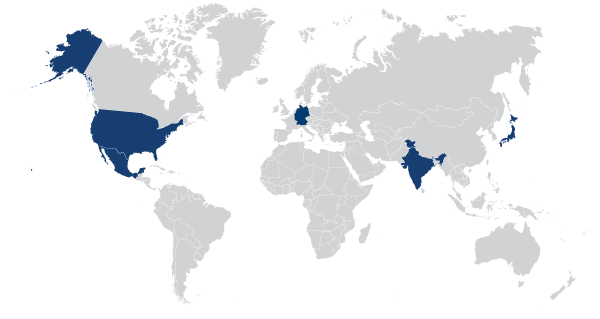
“As a firm specializing in advisory services for Japanese companies worldwide, we are excited to extend our service offerings to the UAE and the broader GCC region,” said Shunsuke Saito, Global CEO of Hotta Liesenberg Saito LLP, the parent company of HLS Global. “Having started in the U.S. 35 years ago and subsequently establishing offices in Japan, Mexico, India and Germany, the UAE was a natural next step for us. The strengthening bilateral trade relations between Japan and the UAE, along with ongoing discussions on an Economic Partnership Agreement, make this the perfect time to enter the market and support Japanese (and other multinational) businesses in the region.”

Norihiko Tokeshi, Managing Director of HLS Global Co., Ltd., highlighted the growing demand from international clients in the UAE market. “The UAE’s role as a global trade and financial hub presents significant opportunities for businesses. By expanding our global network, we can provide tailored services to Japanese and multinational companies, ensuring seamless financial and business advisory services backed by our deep expertise in the region.”

Piyush Pandey, Partner and CEO of HLS-Global UAE, emphasized the firm’s commitment to delivering exceptional services to our clients in the region. “Our presence in the UAE aligns with our vision of serving global clients with a localized approach. We aim to provide customized and practical solutions, acting as trusted advisors to businesses navigating the complexities of cross-border transactions. With our roots in Japan, responsiveness and proactive client support are integral to our approach. Our globally integrated team of highly skilled professionals is dedicated to helping businesses achieve their goals with expert guidance at every stage.”

HLS-Global UAE is set to become a key partner for businesses in the UAE, reinforcing HLS Global’s dedication to delivering world-class advisory services on an international scale.


Disclaimer: All views expressed in this article are solely for informational purposes and should not be construed as legal advice. This information is for reference only and is bound to change in case of any amendments or changes to applicable laws. We do not assume any responsibility or liability for any errors or omissions in the content of this article, and do not make any warranties about the completeness, reliability and accuracy of the information expressed in this article.

UAE’s Rapid Adoption of AI and Digital Transformation

UAE’s Rapid Adoption of AI and Digital Transformation

Introduction: Leading the Digital Revolution

The UAE has positioned itself as a global leader in artificial intelligence (AI) and digital transformation, with government-led initiatives driving innovation across industries. The country aims to become one of the top AI-driven economies by 2031, leveraging cutting-edge technologies like machine learning, blockchain, and the Internet of Things (IoT) to enhance economic growth and efficiency.

According to the Oxford Insights AI Readiness Index 2023, the UAE ranks first in the Arab world and among the top 20 globally for AI preparedness. Investments in AI are expected to contribute up to $96 billion (13.6% of GDP) by 2030, making the UAE the largest AI-driven economy in the region (PwC Middle East).

Key Drivers of AI and Digital Transformation in the UAE

  1. UAE National AI Strategy 2031

    • The UAE was the first country to appoint a Minister of AI in 2017.
    • The National AI Strategy focuses on healthcare, education, government services, energy, and logistics.
    • AI is expected to automate 45% of tasks in key industries by 2031.
  2. Smart Government & Digital Public Services

    • The Dubai Paperless Strategy aims to eliminate paper-based transactions by 2025.
    • Smart Dubai and Abu Dhabi Digital Authority have digitized over 90% of government services.
    • UAE Pass, a national digital identity, is used for seamless access to government and private sector services.
  3. AI in Business & Industry

    • Financial Services: AI-powered chatbots and robo-advisors are streamlining banking.
    • Healthcare: AI-driven diagnostics and robotic surgeries are enhancing medical care.
    • Smart Cities: AI is optimizing traffic, security, and energy efficiency in NEOM and Masdar City.
  4. Investment in Emerging Technologies

    • The UAE has launched a $20 billion AI fund to support tech startups.
    • Abu Dhabi’s G42 Group is collaborating with global AI leaders for R&D.
    • Dubai’s AI and Web3 Campus aims to attract over 500 tech startups by 2025.

How AI is Transforming the UAE’s Economy

  • Job Creation & Workforce Upskilling:

    • The UAE is investing in AI training programs to prepare its workforce for future jobs.
    • Initiatives like the Mohammed Bin Zayed University of AI (MBZUAI) are building AI talent.
  • Blockchain & Digital Currencies:

    • The UAE’s Central Bank Digital Currency (CBDC) project will revolutionize banking.
    • Dubai International Financial Centre (DIFC) is emerging as a global crypto hub.
  • AI in Sustainability & Smart Cities:

    • AI-driven energy management will help the UAE achieve Net Zero by 2050.
    • Smart cities like Masdar and Dubai Silicon Oasis use AI for urban planning and sustainability.

Future Outlook: The UAE as a Global AI Powerhouse

With massive investments in AI infrastructure, talent development, and strategic partnerships, the UAE is set to become a world leader in AI innovation. By 2031, AI will be fully integrated into government services, healthcare, finance, and industrial sectors, making the UAE one of the most technologically advanced nations globally.

Disclaimer: All views expressed in this article are solely for informational purposes and should not be construed as legal advice. This information is for reference only and is bound to change in case of any amendments or changes to applicable laws. We do not assume any responsibility or liability for any errors or omissions in the content of this article, and do not make any warranties about the completeness, reliability and accuracy of the information expressed in this article.

UAE’s Role in Global Trade and Supply Chain Transformation

UAE’s Role in Global Trade and Supply Chain Transformation

Introduction: A Logistics Powerhouse

The UAE has established itself as a global trade and logistics hub, strategically located at the crossroads of Europe, Asia, and Africa. With world-class infrastructure, advanced ports, and free trade zones, the UAE plays a crucial role in global supply chains.

In 2023, the UAE’s total non-oil trade exceeded AED 3.5 trillion ($952 billion), reflecting its growing influence in global commerce (UAE Ministry of Economy). The Comprehensive Economic Partnership Agreements (CEPA) with countries like India, Indonesia, and Turkey have further strengthened trade ties.


Key Factors Driving UAE’s Trade and Logistics Growth

  1. Top-Ranked Ports and Airports

    • Jebel Ali Port (Dubai): #1 in the Middle East, handling over 14 million TEUs annually.
    • Khalifa Port (Abu Dhabi): A major trade hub, expanding its capacity by 50% in 2024.
    • Dubai International Airport (DXB): World’s busiest for international passenger traffic, also a key cargo hub.
  2. Strategic Trade Agreements (CEPA)

    • The UAE has signed 5 CEPAs (India, Indonesia, Israel, Turkey, and Cambodia).
    • India-UAE CEPA alone is expected to increase bilateral trade to $100 billion by 2030.
    • More agreements are in progress with South Korea, Thailand, and Kenya (UAE Ministry of Economy).
  3. Smart Trade & Digital Customs Systems

    • Dubai Trade and Abu Dhabi Digital Ports enable fast-tracking customs clearance.
    • Blockchain & AI integration reduces paperwork and enhances efficiency.
    • UAE is developing the “Digital Trade Corridor” to streamline trade routes.

How UAE is Transforming Global Supply Chains

  • Middle East’s Largest Logistics Hub:
    The UAE accounts for 30% of total logistics activity in the GCC, serving as a gateway for re-exports to Africa and Asia.
  • Major Investments in Warehousing & E-Commerce:
    Companies like Amazon, Noon, and DP World are expanding their fulfillment centers.
  • Green Logistics & Sustainability Goals:
    The UAE aims to reduce carbon emissions in supply chains by 40% by 2030 through clean energy ports and electric transport fleets.

Future Outlook: UAE’s Position in the Global Trade Ecosystem

With continuous investments in infrastructure, digital trade platforms, and strategic partnerships, the UAE is set to dominate global trade and supply chains in the next decade. As more CEPAs are signed, businesses in the UAE will gain unprecedented access to international markets, reinforcing its status as the Middle East’s top trade hub.

global expereince

UAE Vision 2031: Toward a Global Economic Power

Introduction: A Bold Vision for the Future

The UAE government has launched “We the UAE 2031”, an ambitious national strategy to double the national economy to AED 3 trillion ($816 billion) by 2031. The plan focuses on economic diversification, digital transformation, and sustainable development, positioning the UAE as a global trade, investment, and innovation leader.

With a target of attracting AED 550 billion in FDI by 2031, the UAE is intensifying efforts to become a top 10 global economic hub. The vision aligns with the UAE Centennial 2071, which aims to build the best economy in the world (UAE Government Portal).

Key Economic Goals of UAE Vision 2031

The UAE’s strategy revolves around four main pillars:

  1. Forward-Thinking Economy: Increase the GDP contribution of non-oil sectors to 70%.
  2. Global Competitiveness: Rank among the top 10 countries in global competitiveness indices.
  3. Advanced Digital Economy: Ensure AI, blockchain, and fintech drive economic growth.
  4. Sustainability and Clean Energy: Position the UAE as a leader in renewable energy projects.

According to the International Monetary Fund (IMF), the UAE’s economy is projected to grow at 4.5% annually, driven by strategic investments in technology, logistics, and green energy (IMF UAE Report).

Key Initiatives Under UAE Vision 2031

To achieve these ambitious targets, the UAE has rolled out multiple economic programs:

  • “NextGen FDI” Initiative: Aims to attract high-tech startups and position the UAE as a global tech hub.
  • Comprehensive Economic Partnership Agreements (CEPA): Expanding trade relations with key markets like India, Indonesia, and Israel to boost exports and investments.
  • Smart Government and Digital Transformation: Investment in blockchain, AI-driven governance, and paperless services to improve efficiency.
  • UAE Green Economy Initiative: Focused on clean energy, sustainable finance, and net-zero emissions by 2050.

Impact on Businesses and Foreign Investors

The UAE’s business-friendly reforms and Vision 2031 initiatives create significant opportunities for companies and investors:

  • Tax-Free Zones and Investor Incentives: Over 40+ free zones with 0% personal income tax and low corporate tax.
  • Global Trade Expansion: Strengthening trade with Asia, Africa, and Europe, opening new market opportunities.
  • AI and Fintech Growth: The UAE aims to become a global AI hub, creating massive opportunities in automation, crypto, and digital banking.

According to the World Bank, the UAE remains one of the easiest places to do business, ranking #1 in the Arab world for business-friendly policies (World Bank Doing Business Report).

Future Outlook: UAE as a Model Economy for the World

With its future-focused policies, heavy investment in technology, and commitment to sustainability, the UAE is on track to become one of the world’s most dynamic economies by 2031. The government’s emphasis on innovation, ease of doing business, and economic diversification ensures long-term growth and resilience.

The “We the UAE 2031” vision is a blueprint for global economic leadership, positioning the UAE as a key driver of business, trade, and technological advancement in the next decade.

UAE – A Global Trade and Business Hub

UAE – A Global Trade and Business Hub

The United Arab Emirates (UAE) has established itself as one of the most strategic trade and business hubs in the world. Thanks to its geographic location, world-class infrastructure, and business-friendly policies, the country is a key connector between the East and the West. As businesses look for new markets, the UAE offers unparalleled access to Asia, Africa, and Europe, making it a preferred destination for global trade and investment.

Strategic Location Driving Trade Growth

One of the biggest advantages the UAE holds is its strategic positioning. Sitting at the crossroads of some of the world’s busiest trade routes, the country provides direct access to over 3.5 billion consumers within a four-hour flight radius. This proximity to key markets has helped the UAE become a global leader in trade and logistics.

According to the World Trade Organization (WTO), the UAE ranked among the top 20 global exporters and importers of goods in 2023. The country’s non-oil foreign trade surpassed AED 2.23 trillion ($600 billion) in 2023, demonstrating its growing role in international commerce. The Dubai International Financial Centre (DIFC) and the Abu Dhabi Global Market (ADGM) continue to attract international businesses looking to establish regional headquarters in the Middle East.

World-Class Infrastructure: Ports, Airports, and Free Zones

The UAE’s trade success is heavily supported by its world-class infrastructure. The country is home to some of the largest and most efficient ports, including:

  • Jebel Ali Port (Dubai) – The 9th busiest container port globally, handling over 13.7 million TEUs annually.
  • Khalifa Port (Abu Dhabi) – One of the most technologically advanced ports in the region, with investments exceeding $1 billion.

In addition to ports, the UAE boasts some of the busiest airports in the world. Dubai International Airport (DXB) continues to rank as the busiest airport for international passenger traffic, while Abu Dhabi International Airport and Sharjah International Airport serve as key hubs for cargo movement.

To facilitate business operations, the UAE has more than 40 free zones, offering 100% foreign ownership, zero corporate tax, and duty-free benefits. These zones, such as Dubai Multi Commodities Centre (DMCC) and JAFZA (Jebel Ali Free Zone), play a crucial role in attracting multinational corporations to the UAE.

Economic Policies Supporting Trade Growth

The UAE government has implemented several pro-business policies to enhance its status as a global trade hub. The introduction of Comprehensive Economic Partnership Agreements (CEPA) with countries such as India, Indonesia, and Israel has significantly boosted trade relations. The UAE-India CEPA alone is expected to increase bilateral trade to $100 billion by 2027.

Additionally, the UAE has adopted advanced customs procedures to ensure seamless trade. Initiatives like Dubai Trade’s M-Token System and blockchain-based trade solutions have made customs clearance 50% faster than the global average.

Diversification Beyond Oil

Historically, the UAE’s economy was heavily dependent on oil exports. However, non-oil sectors now contribute over 70% of the UAE’s GDP, with industries such as logistics, finance, technology, and tourism driving economic diversification.

  • Logistics & Supply Chain: The UAE’s 3PL (third-party logistics) market is projected to grow at a CAGR of 8.5% between 2023-2030.
  • Financial Services: The UAE is home to over 50 international banks, making it a prime financial hub for trade financing and investment.
  • Technology & AI: The UAE is investing heavily in digital trade solutions, including AI-powered logistics and blockchain-based smart contracts.

Future Outlook

As the UAE continues to position itself as a global trade and business hub, the future looks promising. The government’s commitment to economic diversification, digital transformation, and sustainability will further strengthen its position. By 2025, the UAE’s non-oil foreign trade is expected to exceed $1 trillion, with continued investment in smart logistics, AI-driven customs, and sustainable trade practices.

With progressive policies, advanced infrastructure, and strategic agreements, the UAE will remain a top choice for global businesses looking to expand into high-growth markets.

COIN

India–UAE CEPA: Boosting Supply Chains

Introduction

The Comprehensive Economic Partnership Agreement (CEPA) between India and the UAE marks a significant milestone in strengthening economic ties between the two nations. This agreement is designed to boost trade by reducing tariffs, streamlining regulations, and enhancing logistics efficiency, ultimately leading to smoother and more cost-effective supply chain operations.

Facilitating Faster Trade through Tariff Reductions

One of the major benefits of CEPA is the reduction or elimination of tariffs on a wide range of goods, ensuring faster and more affordable movement of products between India and the UAE. This helps businesses cut down costs, making trade more competitive and enhancing overall supply chain efficiency.

Streamlined Customs and Trade Regulations

CEPA introduces simplified customs procedures and digital documentation, reducing bottlenecks at ports and borders. By promoting paperless trade and harmonized regulations, businesses experience quicker clearance times, leading to improved logistics efficiency.

Boosting Logistics and Infrastructure Development

With increased trade volumes expected under CEPA, investments in logistics infrastructure, such as warehousing, ports, and transport networks, are likely to rise. This will further optimize supply chain operations, ensuring timely deliveries and minimizing disruptions.

Enhancing Air and Maritime Connectivity

The India-UAE trade corridor is already a key global shipping route. CEPA fosters greater connectivity by strengthening maritime and air transport links, reducing transit times, and offering more direct shipping routes, leading to better supply chain reliability.

Encouraging Supply Chain Diversification

By simplifying trade between India and the UAE, businesses can diversify their supply chains, reducing dependency on single markets. This ensures resilience against global disruptions and provides access to a wider range of suppliers and distribution networks.

Future Outlook

As CEPA continues to evolve, its long-term impact on supply chain and logistics efficiency will be profound. Businesses leveraging these benefits will gain a competitive edge in global markets, positioning India and the UAE as central hubs for international trade.

The India-UAE CEPA is not just a trade agreement—it’s a strategic move towards a more interconnected and efficient supply chain ecosystem, paving the way for enhanced economic cooperation between both nations.

Disclaimer: All views expressed in this article are solely for informational purposes and should not be construed as legal advice. This information is for reference only and is bound to change in case of any amendments or changes to applicable laws. We do not assume any responsibility or liability for any errors or omissions in the content of this article, and do not make any warranties about the completeness, reliability and accuracy of the information expressed in this article.

uae business setup

A Complete Guide for Entrepreneurs UAE Business Setup

Introduction

The UAE has emerged as one of the most attractive destinations for entrepreneurs and investors worldwide. With its business-friendly environment, world-class infrastructure, and tax incentives, setting up a company in the UAE offers immense opportunities. However, navigating the legal and regulatory framework can be complex. In this guide, we explore the essential steps, benefits, and challenges of business setup in the UAE.

Why Set Up a Business in the UAE?

The UAE’s economic policies, strategic location, and investor-friendly regulations make it an ideal place to start and expand businesses. Some key advantages include:

  • 100% Foreign Ownership: In most sectors, foreign investors can now own 100% of their business.
  • No Personal Income Tax: The UAE remains a tax haven for entrepreneurs with zero personal income tax.
  • Global Connectivity: With world-class infrastructure and logistics, businesses can easily access international markets.
  • Business-Friendly Regulations: The government continuously updates policies to attract foreign investment and ease business operations.

Key Steps to Setting Up a Business in the UAE

  1. Choose the Right Business Structure
    • Mainland Company
    • Free Zone Company
    • Offshore Company
  2. Select the Business Activity
  3. Register the Company Name and Obtain Approvals
  4. Apply for Business Licenses
  5. Arrange for Office Space
  6. Complete Visa and Labor Requirements
  7. Open a Corporate Bank Account

Challenges in UAE Business Setup

Despite the ease of doing business, there are challenges such as regulatory compliance, cultural understanding, and the need for local sponsorship in some cases. Professional advisory services can help streamline the process and ensure smooth operations.

Conclusion

Setting up a business in the UAE is a strategic decision that can unlock vast opportunities. Partnering with experienced business consultants ensures a seamless setup, allowing entrepreneurs to focus on growth and expansion in one of the world’s most dynamic economies.

Follow us on LinkedIn.

Frequently Asked Questions

Q1. How much does UAE business setup cost for expats?

A1. Business setup for expats in the UAE generally ranges from AED 12,000 to AED 50,000, depending on the license, business activity, and location.

Q2. What factors affect UAE business setup cost?

A2. Key factors include trade license type, office space requirements, visa quotas, government approvals, and additional services like compliance or legal support.

Q3. UAE business setup cost vs free zone setup cost – which is cheaper?

A3. Free zone setups are usually cheaper and faster, while mainland setups offer wider market access but come with higher costs.

Q4. Where to find affordable UAE business setup cost packages?

A4. Affordable packages can be found through business setup consultants, free zones, and advisory firms offering tailored solutions.

Disclaimer: All views expressed in this article are solely for informational purposes and should not be construed as legal advice. This information is for reference only and is bound to change in case of any amendments or changes to applicable laws. We do not assume any responsibility or liability for any errors or omissions in the content of this article, and do not make any warranties about the completeness, reliability and accuracy of the information expressed in this article.

TAX

One Year of Corporate Tax in UAE: Lessons and Future Outlook

Introduction

In June 2023, the UAE introduced corporate tax, marking a significant shift in its business landscape. After one year of implementation, businesses have had to adapt to new tax obligations, compliance measures, and financial planning strategies. In this blog, we analyze the impact of corporate tax and what businesses need to consider moving forward.

Understanding Corporate Tax in the UAE

The UAE corporate tax applies to businesses earning taxable profits exceeding AED 375,000. The standard corporate tax rate is 9%, which remains highly competitive compared to global standards.

Key Lessons from the First Year of Corporate Tax

  1. Compliance is Crucial
    To avoid penalties, businesses have had to implement proper financial reporting and tax compliance mechanisms.

  2. Tax Planning is Essential
    Companies are adopting strategic tax planning methods to optimize their liabilities.

  3. Financial Transparency Matters
    The tax regime has encouraged businesses to improve financial record-keeping and reporting.

  4. Impact on Free Zone Entities
    Free zone businesses still enjoy tax incentives but must ensure compliance with the new regulations.

  5. Global Alignment
    The UAE’s tax implementation aligns with global tax standards, strengthening investor confidence.

Challenges Businesses Face Under the Corporate Tax Regime

  • Understanding Tax Exemptions: Many businesses struggle to determine whether they qualify for exemptions.

  • Adapting Financial Structures: Companies must restructure their financial models to remain tax-efficient.

  • Ongoing Regulatory Updates: Keeping up with evolving tax policies is essential for long-term success.

What’s Next for Corporate Tax in the UAE?

The UAE government is expected to refine corporate tax regulations further, with potential updates on exemptions and sector-specific incentives. Businesses must stay informed and seek expert tax advisory services to navigate these changes.

Conclusion

One year into corporate tax implementation, businesses in the UAE have adapted to new financial and compliance responsibilities. Moving forward, tax planning and strategic financial management will be crucial for sustainable growth in the evolving regulatory environment.

Disclaimer: All views expressed in this article are solely for informational purposes and should not be construed as legal advice. This information is for reference only and is bound to change in case of any amendments or changes to applicable laws. We do not assume any responsibility or liability for any errors or omissions in the content of this article, and do not make any warranties about the completeness, reliability and accuracy of the information expressed in this article.